Last updated:
Saint Vincent Visa Entry at a Glance
Saint Vincent and the Grenadines welcomes most international travelers without a visa. You can enter for tourism stays without advance paperwork. This makes planning your trip to this Caribbean destination straightforward and simple.
The island sits in the Lesser Antilles, located at coordinates 13.2528, -61.1971. Argyle International Airport (SVD) handles all commercial flights to Saint Vincent. Getting your Saint Vincent visa entry details right ensures smooth arrival and an enjoyable vacation.
Most travelers receive an automatic tourist stamp upon arrival. Immigration officials typically grant stays from 1 to 6 weeks. The length depends on your passport strength and the officer's assessment of your travel plans.
Saint Vincent Visa Requirements by Nationality

Citizens of most countries enjoy visa-free entry to Saint Vincent. You do not need to apply for a visa before your trip. Simply arrive with the correct documents and proceed through immigration.
The following nationalities can enter visa-free for tourism: citizens of European Union countries, United States, Canada, Australia, New Zealand, and most Caribbean nations. Citizens of the United Kingdom and Ireland also receive visa-free entry. Japan, South Korea, and Singapore citizens are welcome without advance visas.
Visitors from African nations should check with the Saint Vincent embassy before travel. Some countries require advance visa applications. Citizens of certain Asian nations may need additional documentation.
Your passport must be valid for at least six months beyond your planned departure date. A return or onward ticket shows immigration that you plan to leave. Proof of accommodation helps demonstrate your travel intent.
If your country is not listed, contact the Ministry of Foreign Affairs in Kingstown. They handle visa applications for countries requiring advance permission. Processing typically takes two to four weeks.
PRO TIP: Visit the official Saint Vincent and the Grenadines government website before travel. Download the entry requirements document specific to your citizenship. Carry a printed copy in your passport for reference.
Entry Documents You Need
You must carry a valid passport to enter Saint Vincent. Your passport should remain valid for at least six months. Passports damaged, stained, or with missing pages may cause immigration delays.
A return ticket proves you intend to leave Saint Vincent. Airlines require this before boarding. You can show a digital copy or printed confirmation email.
Proof of accommodation is essential. Hotel reservations, Airbnb confirmations, or letters from friends work well. Immigration wants assurance you have a place to stay.
Sufficient funds for your stay protect your entry approval. Carry credit cards, debit cards, and some cash in East Caribbean dollars. Immigration may ask about your spending ability.
Travel insurance documentation demonstrates financial responsibility. Many travel insurance policies cover medical emergencies and trip cancellations. Keep digital copies and physical printouts accessible.
Vaccination records may be requested during entry. Yellow fever vaccination is recommended if you traveled from countries with yellow fever. The island has experienced dengue fever outbreaks historically.
A completed arrival card is required on the airplane or at immigration. Crew members distribute these during your flight. Complete it clearly with black or blue ink.
Children traveling with one parent need written consent from the other parent. This prevents child trafficking issues. Notarized documents work best.
PRO TIP: Take photos of all important documents. Upload them to secure cloud storage before departure. If your documents are lost, you can access these copies immediately.
Customs Rules in Saint Vincent

Saint Vincent has clear customs regulations for incoming passengers. You can bring personal belongings duty-free. This includes clothing, toiletries, and electronics for personal use.
Alcohol and tobacco have import limits. You can bring one liter of spirits and 200 cigarettes. Excess quantities face duty charges. Rum, the local spirit, costs less on the island than abroad.
Firearms and weapons are strictly prohibited. Ammunition cannot enter Saint Vincent. Criminal charges apply to anyone attempting illegal weapons entry.
Illegal drugs result in serious criminal penalties. Marijuana is illegal, despite Caribbean associations. Prison sentences for drug possession are lengthy and severe.
Prescription medications must be declared. Carry original bottles with your name and doctor's information. Large quantities of over-the-counter medicines may face questioning.
Protected wildlife and plants cannot be exported. Coral, shells, and endangered species face export restrictions. The island enforces environmental protection laws strictly.
Currency declarations are required for amounts exceeding 10,000 USD. This applies to cash, checks, and monetary instruments. Undeclared large amounts result in confiscation.
Fresh fruits, vegetables, and meats from abroad face import restrictions. Saint Vincent protects its agricultural industry. Pack non-perishable snacks instead if concerned.
Is Saint Vincent Safe To Visit
Saint Vincent is generally safe for tourists who exercise normal precautions. The island welcomes thousands of visitors annually without incident. Violent crime against visitors is rare.
Stay in well-populated tourist areas, especially after dark. Avoid displaying expensive jewelry, cameras, or large amounts of cash. Use hotel safes for valuables when not in use.
Kingstown, the capital, requires standard city awareness. Don't wander unfamiliar neighborhoods alone at night. Stick to main streets and established food-restaurants.
Petty theft occurs in crowded markets and beaches. Keep bags close and watch belongings constantly. Don't leave items unattended on beaches or in rental vehicles.
The island experiences hurricane season from June through November. Tropical storms bring heavy rain and strong winds. Travel insurance covers weather-related disruptions.
Water is safe to drink from the main supply. Bottled water is available everywhere. Tap water in Kingstown meets safety standards.
Dengue fever, Zika virus, and chikungunya have occurred historically. Mosquito-borne illnesses peak during rainy season. Use insect repellent with DEET regularly. Wear long sleeves at dawn and dusk when mosquitoes are active.
Police presence is visible throughout main towns. Officers patrol tourist areas regularly. Emergency services respond promptly to incidents.
Road conditions vary across the island. Rental drivers should exercise caution on mountain roads. Some routes are narrow and winding without guardrails.
Health Requirements

No vaccinations are mandatory for Saint Vincent entry. The World Health Organization recommends certain immunizations for Caribbean travel. Yellow fever, hepatitis A, and typhoid vaccines are suggested.
Yellow fever vaccination is wise if you traveled through endemic countries. The vaccine is available at travel clinics worldwide. Carry your International Certificate of Vaccination with you.
Malaria is not present on Saint Vincent. Dengue fever, however, circulates periodically. Mosquito prevention is your best defense.
Medical facilities exist in Kingstown at Milton Cato Memorial Hospital. Private clinics offer dental services and basic care. Serious cases transfer to Barbados or Trinidad.
Medications you need should come from home. Saint Vincent has limited pharmacy options. Bring prescriptions in original bottles with labels intact.
Travel insurance must cover medical evacuation. Flying to larger islands for advanced care is expensive. Quality insurance protects your financial security.
Sunscreen is essential. The Caribbean sun is intense year-round. Use SPF 30 or higher and reapply every two hours.
Insect repellent with DEET prevents mosquito-borne illness. Apply to exposed skin and clothing. Reapply after swimming or sweating.
Dehydration happens quickly in tropical heat. Drink water constantly throughout the day. Avoid excessive alcohol consumption.
Acclimation takes 24 to 48 hours for new arrivals. Rest on your first day. Lighter meals help your body adjust to the heat and humidity.
Travel Insurance for Saint Vincent
Travel insurance is strongly recommended for Saint Vincent trips. Comprehensive coverage protects your investment and health. It provides peace of mind throughout your vacation.
Medical evacuation insurance is crucial for Caribbean travel. Flying to Barbados for specialized care costs thousands. Insurance covers these expensive emergency flights.
Trip cancellation coverage reimburses prepaid expenses if illness strikes. Weather emergencies, family emergencies, and personal illness are typically covered. Read your policy carefully for specific conditions.
Baggage protection covers lost luggage and delayed belongings. Airlines sometimes lose bags or delay delivery. Insurance reimburses replacement costs and essentials.
Adventure activity coverage applies to water sports and diving. Scuba diving is popular around Saint Vincent. Standard policies exclude high-risk activities unless specified.
Hurricane season coverage protects bookings from June through November. Most policies exclude natural disasters unless purchased as riders. Buy coverage before June to include hurricane protection.
Personal liability insurance covers accidents you cause. If you damage rental property or injure someone, liability protection helps. This prevents substantial out-of-pocket expenses.
Pre-existing condition waivers allow older travelers to get coverage. Some policies exclude medical conditions diagnosed before purchase. Review waiver details with your agent.
Purchase insurance within 14 days of your initial trip deposit. Early purchase captures the best rates and broadest coverage. Last-minute purchases often cost more.
Compare multiple providers before deciding. Different companies offer different coverage levels. Read customer reviews and company ratings carefully.
Frequently Asked Questions
Do I Need a Visa To Visit Saint Vincent for Tourism?
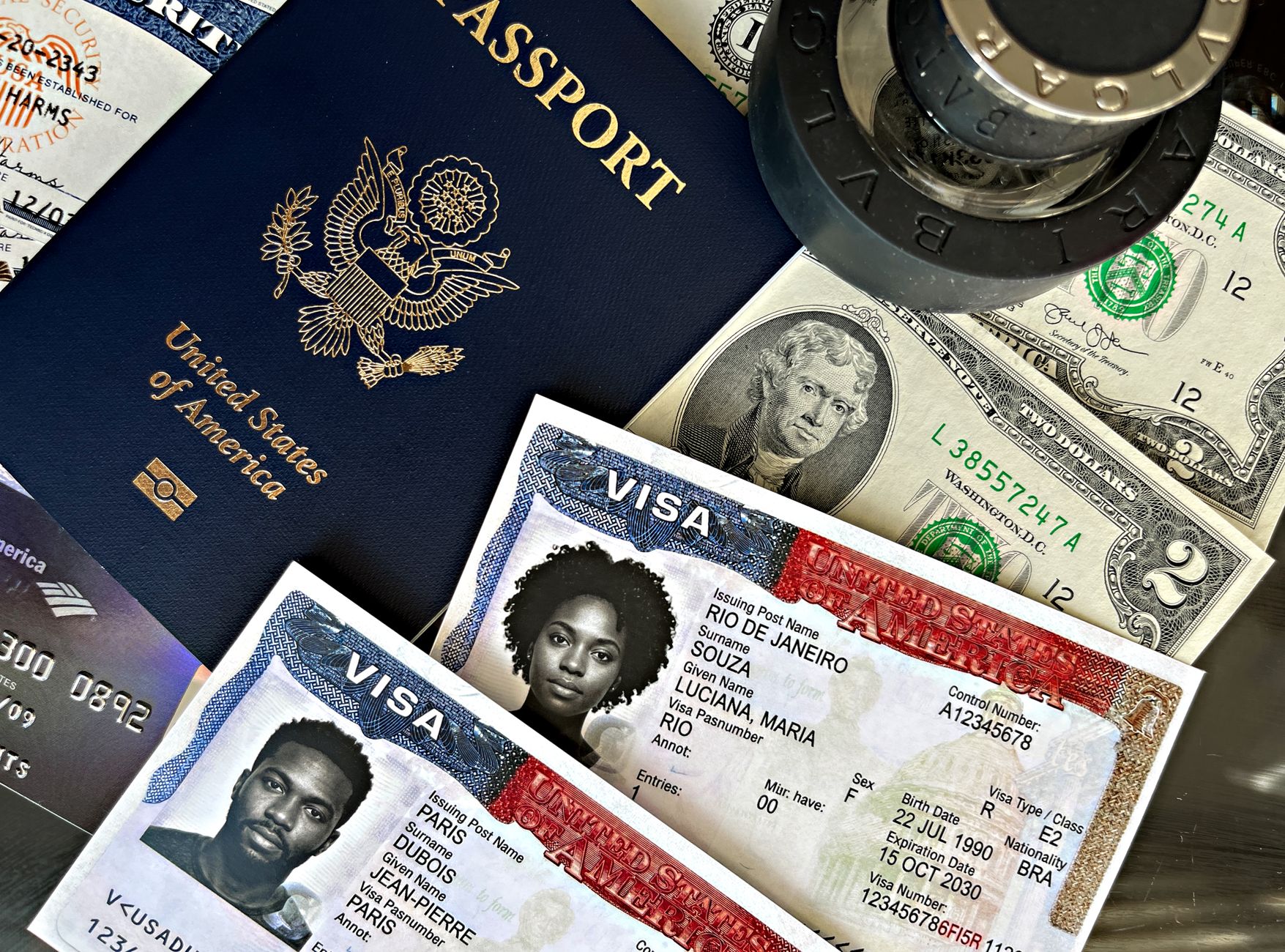
Most nationalities do not need a visa for short tourism stays in Saint Vincent. Citizens of the United States, Canada, European Union countries, Australia, and many others receive automatic visa-free entry. Immigration officers grant tourist stamps upon arrival for stays typically lasting 1 to 6 weeks. Check with the Saint Vincent Ministry of Foreign Affairs if your country is not listed to confirm your specific eligibility and any required documentation before traveling to the island.
How Long Can I Stay in Saint Vincent Without a Visa?
Tourist stays without a visa typically last from 1 to 6 weeks, depending on immigration officer discretion. Your passport validity, return ticket, proof of accommodation, and demonstrated financial means influence the exact length granted. Most visitors receive 4 weeks automatically upon arrival. If you need to stay longer, you can apply for extension at the immigration office in Kingstown. Extensions are not guaranteed but are sometimes approved for valid reasons like medical emergencies or family situations.
What Documents Do I Absolutely Need To Enter Saint Vincent?
You must carry a valid passport with at least six months validity remaining. A return or onward airline ticket is required before boarding international flights. Proof of accommodation such as a hotel reservation or Airbnb confirmation is necessary for immigration entry. Sufficient funds for your stay and travel insurance documentation strengthen your entry approval. A completed arrival card, distributed during your flight, must be presented at immigration. Children need parental consent letters if traveling with only one parent to prevent child trafficking issues.
Are There Any Dangerous Items or Substances I Cannot Bring To Saint Vincent?
Firearms, weapons, and ammunition are completely prohibited and result in serious criminal charges. Illegal drugs including marijuana carry severe prison sentences despite Caribbean stereotypes. Protected wildlife, coral, and endangered plants cannot be imported or exported. Fresh fruits, vegetables, and meats from abroad face restrictions to protect local agriculture. Prescription medications must be in original labeled bottles. Amounts of currency exceeding 10,000 USD must be declared or face confiscation. Always review the full customs regulations on the official government website before packing.
Should I Get Travel Insurance for a Saint Vincent Trip?
Travel insurance is strongly recommended for all Saint Vincent trips. Medical evacuation insurance is particularly crucial since serious health emergencies require flying to larger islands like Barbados. Medical evacuation flights cost thousands of dollars without insurance coverage. Trip cancellation coverage reimburses prepaid expenses if illness or emergencies prevent travel. Adventure activity riders are essential if you plan scuba diving or water sports. Hurricane season coverage purchased before June protects bookings made for June through November travel dates. Comprehensive insurance provides valuable financial protection and peace of mind.