
Last updated:
Understanding Saint Vincent Vacation Planning
Saint Vincent offers a genuine Caribbean experience for travelers seeking adventure and culture. You will find this island in the Lesser Antilles, east of the Caribbean Sea. The island sits at coordinates 13.2528, -61.1971. Most visitors arrive at Argyle International Airport, which handles direct and connecting flights. Saint Vincent vacation planning requires knowing the island's distinct personality and attractions.
The island has a population of only 37,000 people, making it less crowded than many Caribbean destinations. You can explore volcanic landscapes, tropical rainforests, and hidden beaches in just a few days. The capital city, Kingstown, offers colonial architecture and local markets. Locals speak English and Vincentian Creole, so communication is easy for English speakers. The East Caribbean dollar is the official currency, though many places accept USD.
Tourism here focuses on nature and authentic experiences rather than massive resort developments. You will encounter friendly locals, fresh seafood, and island culture that feels genuine. The island receives fewer cruise ships compared to neighboring islands, keeping beaches and attractions less commercialized. Whether you travel as a family, couple, or solo adventurer, Saint Vincent offers something unique for every traveler type.
How Many Days Do You Need in Saint Vincent
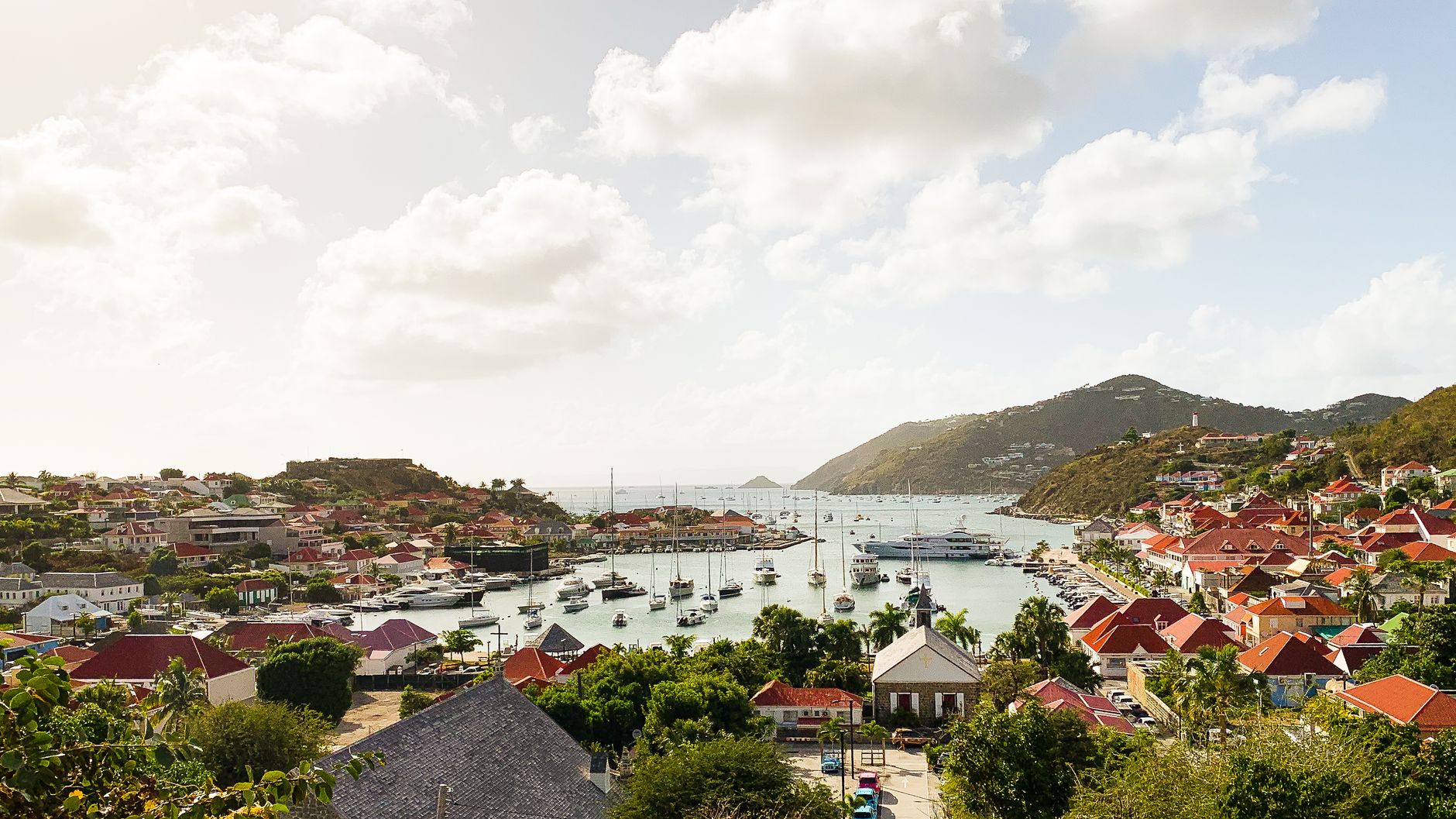
Most travelers spend three to seven days in Saint Vincent for a complete experience. Three days gives you time to explore Kingstown, visit a beach, and experience local culture. You can hike to a waterfall and taste authentic island food in this timeframe. First time visitors should plan at least three days to avoid feeling rushed.
Five days allows you to combine beach relaxation with hiking and water activities. You can visit multiple villages and try scuba diving or snorkeling. Families appreciate this length because children can adjust to the pace without overtiring. Five days gives you flexibility to spend lazy afternoons on the beach or take unplanned day trips.
Seven days is ideal for exploring everything Saint Vincent offers without rushing. You can hike to multiple waterfalls, visit the volcanic black sand beaches, and day trip to nearby islands. Couples enjoy a week because it balances adventure with romantic downtime. Budget travelers find seven days reasonable because daily costs spread across more days lower overall expenses. You can dive deeper into local culture and visit remote areas most tourists skip.
If you have more than a week, combine Saint Vincent with nearby Bequia or other Grenadine islands. Ferry services connect these islands, creating a broader vacation experience. Two weeks allows you to truly unwind without any schedule pressure. Plan your trip length based on your vacation time and energy level for activities.
PRO TIP: Arrive on a weekday to beat weekend crowds at popular attractions. This gives you quieter beach time and easier access to hiking trails during your first days.
7-Day Saint Vincent Itinerary
Day 1: Arrive and Explore Kingstown
Fly into Argyle International Airport and take a taxi to your accommodation. Most hotels in Kingstown are 45 minutes to one hour from the airport. Spend your afternoon walking through the capital city and visiting the local markets. The Kingstown Market operates daily and offers fresh produce, spices, and local crafts. Visit St. George's Cathedral, a historic stone church in the city center. Eat dinner at a local restaurant serving fresh fish and callaloo, a traditional leafy vegetable dish.
Day 2: Waterfalls and Nature
Take a guided tour to Falls of Baleine, a stunning waterfall located on the island's north coast. Your guide will drive you through villages and explain local history. You will hike through lush rainforest to reach the 60-foot waterfall. Bring swimwear because you can swim in the natural pool beneath the falls. Return to town and relax at your accommodation. Visit a local rum shop in the evening to meet residents and hear island stories.
Day 3: Beach Day at Black Sand
Visit Argyle Beach or Questelles Beach for dramatic black sand and clear water. These beaches offer authentic Caribbean charm without heavy tourism. You can spot locals fishing and playing cricket near the water. Bring a picnic lunch from a local market or try beachside food vendors. Try snorkeling if you have basic gear or rent equipment locally. Spend the evening watching the sunset from your beach spot.
Day 4: Scuba Diving or Water Sports
Saint Vincent has excellent scuba diving sites because the island sits in a geologically active area. You can dive to depths of 20 to 100 feet at various reef locations. Look for tropical fish, sea turtles, and coral formations. If you do not scuba dive, try snorkeling at Bequia or take a catamaran cruise. Visit the local dive shop to book your experience in advance. These operators know the best sites and safety protocols.
Day 5: La Soufrière Volcano Hike
Hike to the summit of La Soufrière, an active volcano on Saint Vincent's northern side. The hike takes four to five hours round trip and is moderately challenging. You start early in the morning to avoid afternoon rain and heat. The trail passes through dense forest and opens to panoramic island views at the top. On clear days, you see neighboring islands and the volcanic crater. Bring plenty of water, wear good hiking boots, and hire a local guide for safety and knowledge.
Day 6: Island Hopping To Bequia
Take the ferry from Kingstown to Bequia, a nearby island with white sand beaches. The ferry ride takes about 45 minutes. Spend the day at Princess Margaret Beach, known for calm waters and tropical fish. Eat fresh lobster at a beachside restaurant. Walk through the village of Port Elizabeth and visit local craft shops. Return to Saint Vincent on the evening ferry. This day trip adds variety to your week and exposes you to island culture differences.
Day 7: Rest and Reflection
Spend your final day relaxing and shopping for souvenirs. Visit local craft shops in Kingstown for spices, artwork, and handmade items. Enjoy a leisurely breakfast at a café and reflect on your week. Pack your bags in the afternoon. Have dinner at a restaurant with ocean views. Your evening flight gives you time to rest before departing.
PRO TIP: Book scuba diving and guided hikes at least one day ahead. Local operators fill quickly, especially during peak season months from December to April.
3-Day Saint Vincent Itinerary

Day 1: Kingstown and Beach Introduction
Arrive at the airport and head to Kingstown. Explore the capital's historic sites including St. George's Cathedral and the local market. Have lunch at a casual restaurant with island specialties like roti or fish cakes. Spend the afternoon at Questelles Beach or Argyle Beach to acclimate to the island pace. Relax and watch locals go about their daily lives. Eat fresh seafood for dinner and rest after traveling.
Day 2: Waterfall Adventure
Visit Falls of Baleine early in the morning with a guide. This is the main waterfall attraction most visitors prioritize. The guided tour includes transportation, trail navigation, and cultural information. Swim in the natural pool and take photographs. Return to your accommodation by early afternoon. Visit a beach near your hotel to relax as the day winds down. Eat dinner at your hotel or a nearby restaurant.
Day 3: Departure Prep and Final Exploration
Spend the morning visiting local shops for last-minute souvenirs and gifts. Browse spice markets and craft stores. Have a leisurely lunch at a café with ocean views. Pack your belongings and head to the airport for your evening or next-day flight. If your flight departs late, visit one more beach for a final swim before leaving.
Saint Vincent Travel Budget Guide
Daily Costs Breakdown
Budget travelers can visit Saint Vincent on 40 to 60 USD per day for food and basic activities. Mid-range travelers typically spend 80 to 150 USD daily. Luxury travelers budget 200 USD or more per day. These costs vary based on accommodation choices, dining preferences, and activity frequency. Prices are lower in the shoulder season (May, November) compared to peak season (December to April).
Accommodation Costs
Budget guest houses cost 30 to 50 USD per night and offer basic but clean rooms. Mid-range hotels run 75 to 150 USD per night with amenities like pools and restaurants. Luxury resorts exceed 200 USD per night. Many accommodations offer weekly discounts for longer stays. Airbnb options provide alternatives, especially for families needing kitchens. Book accommodations two months ahead during peak season to secure better rates and availability.
Food and Dining Costs
Street food and local eateries cost 5 to 10 USD for a full meal. Mid-range restaurants charge 12 to 25 USD per entree. Fine dining runs 30 to 60 USD per person. Grocery shopping is cheaper if you have kitchen access. Fresh fruits, fish, and vegetables from local markets are affordable and delicious. Eating where locals eat saves money and provides authentic experiences.
Activity and Transportation Costs
Guided hikes typically cost 40 to 70 USD per person. Scuba diving certification courses run 300 to 400 USD. Single dive trips cost 50 to 80 USD. Ferry rides to Bequia are approximately 13 to 16 USD round trip. Taxi rides within Kingstown cost 5 to 10 USD. Car rentals range from 40 to 60 USD daily. Many activities offer group discounts, reducing costs when traveling with others.
PRO TIP: Visit during May or November for lower prices and fewer tourists. Hotels and activities discount rates during these shoulder months, and you still experience pleasant weather.
Best Time To Book Your Saint Vincent Trip

Peak Season (December To April)
Peak season runs from December through April, with the best months being December, January, February, March, and May. These months offer perfect weather with temperatures around 27.4°C (81°F) and minimal rainfall. Hotels fill quickly during this period, especially around Christmas and New Year holidays. Book accommodations four to six months ahead for peak season travel. Flight prices are higher, but weather conditions guarantee excellent beach days and hiking opportunities. Families often visit during this season because school holidays align with good weather.
Shoulder Season (May and November)
Shoulder season offers the best value for budget-conscious travelers. May and early November have acceptable weather with occasional afternoon rain showers. Accommodations offer 20 to 30 percent discounts compared to peak season. Flights cost less, and attractions feel less crowded. You share beaches with fewer tourists and enjoy shorter waits at restaurants. Rainfall increases but rarely prevents outdoor activities. Book accommodations two to three months ahead for shoulder season travel.
Hurricane Season (June To October)
Hurricane season runs from June through October, with higher temperatures and increased rainfall. While Saint Vincent sits south of the main hurricane belt, tropical storms can occur. Most travelers avoid this period due to weather concerns. Hotels offer significant discounts during this time. Travel insurance becomes especially important. Book only if you are flexible with plans and comfortable with weather uncertainty. September and October have the highest hurricane risk.
Booking Timeline Recommendations
For peak season travel, book flights and hotels four to six months ahead. For shoulder season, book two to three months in advance. For hurricane season, book one to two months ahead and purchase travel insurance. Check weather forecasts one week before departure. Book activities and tours one to two weeks ahead. Reserve scuba diving and guided hikes at least one week in advance. Last-minute bookings work best during hurricane season when availability is highest.
Packing List for Saint Vincent
Clothing Essentials
- Light, breathable cotton shirts and shorts (5 to 7 items)
- One or two long-sleeve shirts for sun protection
- Lightweight pants or skirts for evening wear
- Comfortable walking sandals and closed-toe hiking shoes
- Swimwear (2 to 3 items)
- Light rain jacket or poncho
- Underwear and socks for five to seven days
- One nice outfit for dining out
- Sun hat or baseball cap
- Lightweight sweater for air-conditioned spaces
Sun and Beach Protection
- High SPF sunscreen (reef-safe if snorkeling)
- After-sun lotion or aloe vera
- Sunglasses with UV protection
- Beach towel or quick-dry towel
- Rash guard or swim shirt for water activities
- Waterproof bag for electronic devices
Health and Toiletries
- Prescription medications in original containers
- Basic first aid supplies (bandages, antiseptic, pain relievers)
- Insect repellent with DEET for mosquitoes
- Personal toiletries (toothbrush, toothpaste, deodorant, shampoo)
- Any specialty skincare products you use daily
- Medications for common issues (antacid, anti-diarrheal, antihistamine)
- Motion sickness medication if prone to seasickness
- Feminine hygiene products if needed
Electronics and Documents
- Valid passport with at least six months validity
- Travel insurance documents
- Flight confirmation and hotel reservations
- Phone charger and universal adapter
- Camera or smartphone for photos
- Portable power bank for phones
- Copies of important documents stored separately
Hiking and Activity Gear
- Sturdy hiking boots broken in before the trip
- Moisture-wicking socks for hiking
- Lightweight backpack (20 to 30 liters)
- Refillable water bottle
- Snorkel gear if you own quality equipment
- Headlamp or small flashlight
- Snacks like nuts or dried fruit for hikes
PRO TIP: Pack a lightweight, packable rain jacket even during dry season. Sudden afternoon showers occur year-round, and this jacket takes minimal luggage space.
Frequently Asked Questions
Do I Need a Visa To Visit Saint Vincent?
Most nationalities do not need a visa for Saint Vincent. Citizens of the United States, United Kingdom, Canada, Australia, and most European countries receive visa-exempt entry for tourism stays. Immigration officers typically grant stays of up to one month upon arrival. Check with your nearest Saint Vincent consulate if your country is not listed. Ensure your passport is valid for at least six months beyond your travel dates. Travel insurance is recommended but not required for entry.
What Is the Best Time To Visit Saint Vincent?
The best months to visit are December through May. These months offer excellent weather with temperatures around 27.4°C (81°F) and minimal rainfall. December through April is peak season with the most tourists and highest prices. May offers shoulder season benefits with good weather and lower costs. If you want fewer crowds and lower prices, visit in May or November. Avoid June through October due to hurricane season, though Saint Vincent sits south of the main hurricane belt and rarely experiences direct hits.
How Much Money Should I Budget for a Saint Vincent Trip?
Budget travelers spend 40 to 60 USD daily for accommodation, food, and basic activities. Mid-range travelers typically spend 80 to 150 USD daily. Luxury travelers budget 200 USD or more per day. A one-week trip for a budget traveler costs approximately 280 to 420 USD plus flights. A mid-range week costs 560 to 1,050 USD plus flights. Costs are lower during shoulder season (May, November) and higher during peak season (December to April). Activities like scuba diving and guided hikes add 40 to 100 USD per activity.
Is Saint Vincent Safe for Tourists?
Saint Vincent is generally safe for tourists who exercise normal precautions. Petty theft occurs in crowded areas like markets and beaches, so keep valuables secured. Avoid walking alone at night in unfamiliar areas. Stick to established tourist areas and stay aware of your surroundings. The island has a friendly, welcoming population that respects tourism. Hospitals and medical facilities exist in Kingstown for emergencies. Register with your embassy before traveling. Travel insurance that covers medical emergencies is strongly recommended for peace of mind.
What Water Activities Does Saint Vincent Offer?
Saint Vincent offers excellent scuba diving with diverse reef sites and marine life. The island's volcanic geology creates unique underwater formations. Snorkeling is accessible from many beaches without certifications or guides. Swimming is safe at designated beaches with lifeguards during peak hours. Catamaran cruises visit nearby islands and include lunch and snorkeling stops. Fishing charters operate for deep-sea and coastal fishing. Kayaking opportunities exist in calm bay areas. Windsurfing conditions suit intermediate to advanced sailors, especially during winter months.