allisles.com
Saint Vincent
allisles.com
Saint Vincent
Saint Vincent: Complete Caribbean Travel Guide
Visa Free
Last updated:
Quick Facts:
- Visa Required: No (visa-free for most nationalities)
- Currency: East Caribbean Dollar (XCD)
- Language: English, Vincentian Creole
- Best Months: December to May
- Average Temperature: 27.4°C (81°F)
- Airport: Argyle International Airport (SVD)
- Timezone: America/St_Vincent
- Population: 37,000
- Area: 344 km²
About Saint Vincent
Best forall travelers seeking authentic Caribbean culture and natural beauty
Saint Vincent sits in the Lesser Antilles chain, part of Saint Vincent and the Grenadines. Located at coordinates 13.2528, -61.1971, this island covers 344 square kilometers. The island hosts approximately 37,000 residents who speak English and Vincentian Creole. Saint Vincent stands out as an authentic destination that avoids the overdevelopment of larger Caribbean islands.
The island features volcanic landscapes shaped by La Soufrière volcano. You'll find lush rainforests covering much of the interior. Black sand beaches line the western coast, while lighter sand beaches appear on the eastern shores. The terrain rises steeply from the coast to mountainous interior regions. This geography creates diverse ecosystems and stunning natural scenery throughout the island.
The Vincentian culture blends African, European, and Caribbean influences. Locals practice warm hospitality and welcome visitors genuinely. The island maintains a slower pace than major tourist hubs, which many travelers appreciate. You'll encounter friendly shop owners, helpful taxi drivers, and welcoming restaurant staff during your stay.
PRO TIP: Arrive with East Caribbean dollars or an ATM card. Many small businesses and local vendors don't accept credit cards, especially outside Kingstown.
Why Visit Saint Vincent

Best fornature loversadventure seekersand cultural enthusiasts
Saint Vincent offers experiences different from typical Caribbean vacations. The island attracts visitors seeking genuine cultural encounters rather than resort bubbles. You'll interact with real Vincentians and experience authentic island life. The island appeared in Pirates of the Caribbean films, adding cinematic intrigue to your visit.
Hiking enthusiasts love Saint Vincent for its volcanic peaks and rainforest trails. La Soufrière volcano offers challenging hikes with panoramic summit views. The trail reaches 1,219 meters and takes about four hours round trip. You'll walk through cloud forests and see the volcanic crater lake at the summit. Experienced hikers recommend starting early to avoid afternoon clouds and heat.
The island offers excellent scuba diving opportunities. Coral reefs surround the island, creating vibrant underwater ecosystems. Divers encounter sea turtles, rays, and colorful fish species. Several dive shops operate along the coast and offer guided dives for all skill levels. Snorkeling works well in shallow reef areas accessible from beaches.
Kingstown, the capital, blends colonial architecture with modern Caribbean energy. You'll find the Fort Charlotte ruins overlooking the harbor. The Botanical Gardens feature exotic plants and peaceful walking paths. Local markets display fresh produce, spices, and handmade crafts you won't find elsewhere.
PRO TIP: Visit local markets early morning for the freshest produce and most authentic experience. Bring small bills and be prepared to chat with vendors about their goods.
Saint Vincent for Families
Best forfamilies with children seeking safemanageable destinations
Saint Vincent welcomes families with practical considerations and genuine attractions. The island size allows families to explore different areas without long drives. Local residents are accustomed to families and create safe environments for children to play and learn.
Beach days work well for families on both coasts. Calm waters on the leeward side suit younger swimmers. Popular family beaches include Indian Bay and Calliaqua Beach. Pack sunscreen and arrive early to secure good spots. Lifeguards don't staff most beaches, so supervise children constantly. The warm water temperature (27.4°C average) means year-round swimming.
The Botanical Gardens provide kid-friendly exploration without strenuous activity. Children enjoy spotting tropical birds and unusual plants. Walking paths remain flat and shaded. The garden has benches for rest breaks. Admission is affordable and the visit typically lasts two hours. Many families pack snacks and make it a leisurely afternoon activity.
Boat tours to nearby islands offer adventure and education. Tours depart from Kingstown and nearby resort areas. Children learn about island ecology and marine life. Most tour operators provide snacks, drinks, and safety equipment. The calm waters between islands suit younger children, though some boats seat 50 people, so they can be crowded.
Local food-restaurants serve familiar foods alongside Caribbean dishes. Rice, chicken, and fresh seafood appear on most menus. Pizza and pasta restaurants operate in Kingstown for children preferring familiar tastes. Ginger beer, a local specialty, becomes a family favorite. Street food vendors sell affordable snacks throughout towns.
Saint Vincent for Couples
Best forromantic getaways and second honeymoons
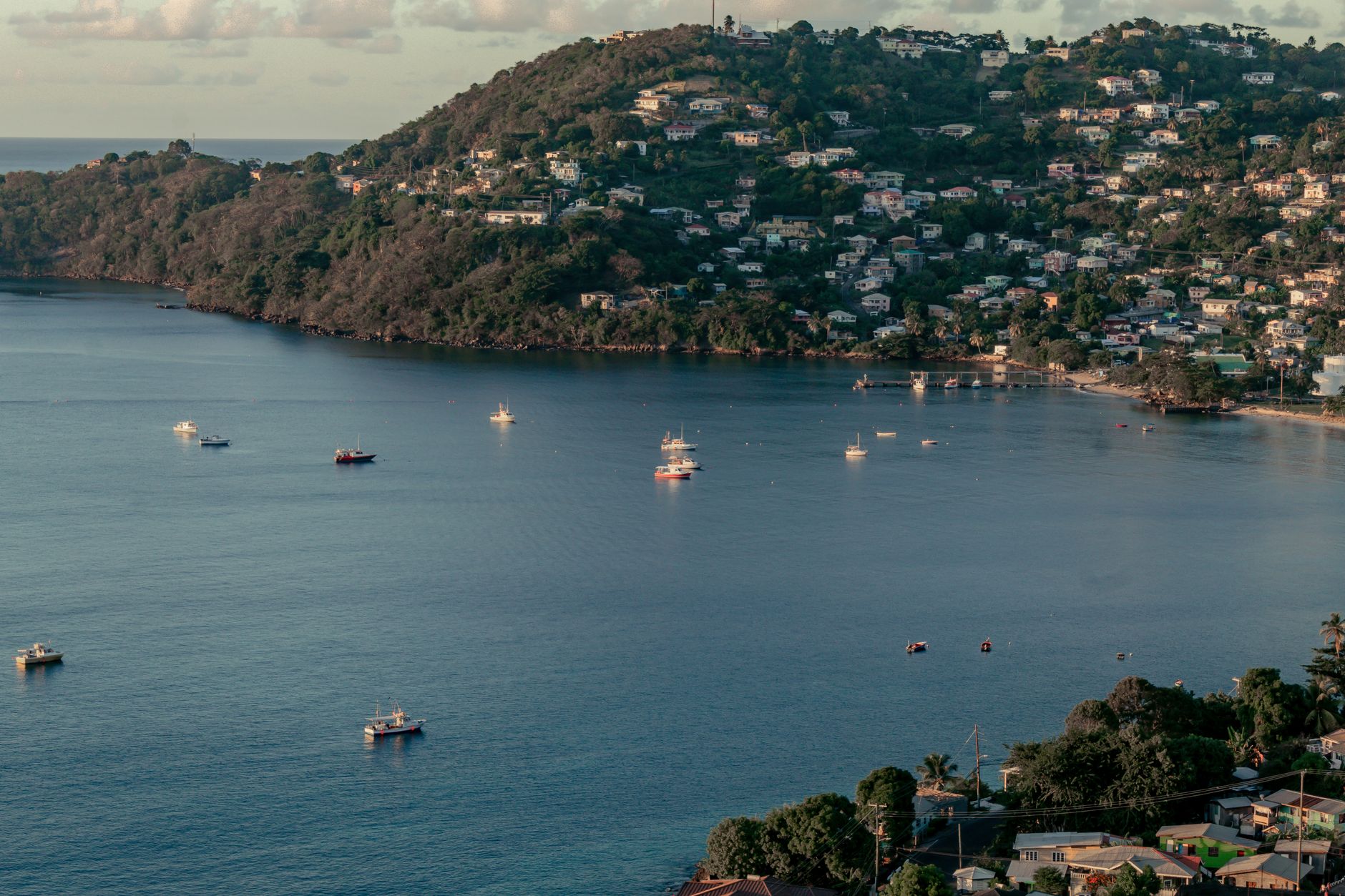
Saint Vincent offers romance without the crowds of major tourist destinations. Couples appreciate the intimate island atmosphere and scenic beauty. The island works well for anniversary celebrations, proposals, and romantic escapes.
Sunset experiences create memorable moments throughout the island. West-facing beaches offer stunning sunset views nightly. Pack a picnic dinner and watch the sun sink into the Caribbean Sea. The calm waters reflect orange and pink hues, creating perfect photography moments. No artificial light pollution diminishes the visual experience.
Hiking La Soufrière together builds a shared adventure. Couples holding hands navigate the trail and support each other through challenging sections. The summit reward justifies the effort. Morning hikes mean fewer crowds. You'll experience the crater lake and misty mountain views mostly alone. Pack water, snacks, and bring a lightweight blanket for rest breaks.
Waterfall exploration provides intimate discoveries. Baleine Falls features a freshwater pool beneath cascading water. The short hike through coastal vegetation ends at the waterfall base. You can swim in the pool and cool off together. The location is relatively uncrowded, especially on weekdays. Bring reef-safe sunscreen and water shoes for rocky areas.
Dinner experiences focus on fresh seafood and ocean views. Local restaurants feature mahi-mahi, lobster, and grouper. Many establishments operate in converted colonial buildings with charm and history. Reserve tables in advance during peak season (December to April). The cost remains reasonable compared to major tourist islands.
Saint Vincent for Solo Travelers
Best forindependent explorers and budget-conscious travelers
Solo travelers find Saint Vincent accessible and welcoming. The island size prevents feeling isolated or lost. English-speaking locals make navigation straightforward. Budget options exist throughout the island for independent travelers.
Guesthouses and small hotels cater to solo travelers. Many offer single rooms at reasonable rates. Hostels operate in Kingstown, creating social opportunities with other travelers. The accommodation options range from basic budget rooms to mid-range comfort. You'll find private rooms for privacy or dormitory options for budget savings.
Public transportation connects main areas affordably. Minibuses operate throughout the day on regular routes. Drivers announce stops clearly. The cost runs less than a dollar per ride. Taxis work for longer distances, though agreeing on prices beforehand prevents misunderstandings. Many solo travelers rent scooters or bicycles for independence.
Social opportunities emerge naturally throughout the island. Dive shops attract international visitors. Beach vendors become friendly acquaintances. Restaurant owners remember solo diners and create welcoming atmospheres. Tour groups easily incorporate solo travelers at group rates. The small population means you frequently recognize familiar faces.
Safety considerations matter for solo travelers. Avoid walking alone at night in Kingstown. Stay in populated areas during the day. Use registered taxis after dark. Most locals are helpful and friendly. Solo female travelers report feeling safe with basic precautions. The slower pace and smaller population create safer conditions than larger Caribbean islands.
PRO TIP: Join a scuba diving excursion to meet other travelers and explore reefs safely. Most dive operations require buddy systems anyway, and you'll make friends naturally.
Best Time To Visit Saint Vincent

Best fortravelers planning ahead and seeking optimal weather
The dry season runs from December through May, offering the best conditions. December, January, February, March, April, and May bring lower rainfall and consistent sunshine. Daytime temperatures average 27.4°C with comfortable evenings. Trade winds keep humidity manageable. This period includes Christmas holidays and winter breaks, drawing more visitors.
Hotel rates peak during these months. Reservations become essential for accommodations and popular tours. The weather justifies higher prices with guaranteed sunshine. If you travel during peak season, book two to three months in advance. Arrive early to secure preferred activities and dining reservations.
The wet season spans June through November. Afternoon showers occur frequently but typically last under an hour. The landscape remains lush and green from consistent moisture. Hotel rates drop significantly, and crowds diminish dramatically. August and September experience more rainfall than other months in this season. September and October occasionally see tropical storms.
Hurricane season officially runs June through November. Saint Vincent sits south of the typical hurricane belt, making direct hits rare. The island experiences tropical storms more frequently than hurricanes. Travel insurance becomes important during the wet season. Most travelers prioritize the December to May window regardless of lower-season advantages.
Getting To Saint Vincent
Best forall travelers requiring arrival information and logistics
Argyle International Airport (SVD) serves as the primary entry point. The airport opened in 2017 and handles regional and some international flights. Most visitors connect through larger Caribbean hubs like Barbados or Trinidad. Direct flights operate from limited North American and European cities depending on season.
Flight Connections: Major airlines operate flights to nearby islands with ferry or connecting options. Caribbean Airlines and regional carriers offer connections. Flight times from North America range from four to eight hours with connections. European travelers typically fly to London or other major hubs first, then connect to the Caribbean.
Airport to Accommodation: The airport sits about five kilometers from Kingstown. Taxi service operates from the airport terminal. Negotiate fares before departing the terminal. The ride to central Kingstown costs approximately $20 to $25 USD. Shuttle services operate for resort guests. Car rentals are available at the airport for independent travelers.
Visa Information: Most nationalities enjoy visa-free entry for tourism stays. Typically, tourists receive stays of six weeks without formal visas. US, Canadian, and European passport holders rarely encounter visa issues. Your passport must remain valid for at least six months from arrival. Proof of return travel and sufficient funds may be requested.
Travel Preparation: Arrange travel insurance covering medical emergencies and trip cancellations. Check passport validity well before departure. Notify your bank of travel dates to prevent card blocks. Bring copies of important documents. Download offline maps as internet can be intermittent. Pack reef-safe sunscreen as local availability is limited.
PRO TIP: Book accommodation near Kingstown if arriving on an evening flight. This allows exploration without late-night transportation stress. The capital has restaurants and services convenient for your first night.
Frequently Asked Questions
Is Saint Vincent Safe for Tourists?
Saint Vincent maintains reasonable safety for tourists exercising basic precautions. Violent crime rarely affects visitors. Petty theft occurs occasionally in crowded areas and Kingstown. Avoid displaying expensive jewelry, cameras, or large cash amounts. Use registered taxis after dark and avoid walking alone at night in the capital. The island's small population and tight community create inherent safety advantages. Locals actively discourage criminal activity affecting their tourism industry. Most travelers complete stays without incidents by following standard travel safety practices.
What Currency Does Saint Vincent Use, and Can I Use US Dollars?
Saint Vincent uses the East Caribbean Dollar (XCD) as official currency. The exchange rate is fixed at 2.67 XCD to 1 USD. US dollars are accepted in many tourist areas, but exchange rates offered are typically unfavorable. ATMs in Kingstown and larger towns dispense XCD directly from your account. Bring an ATM or credit card for best exchange rates. Small vendors and local establishments prefer XCD. Having a mix of XCD and US dollars prevents conversion hassles. Plan to carry cash for minibus transportation and small purchases.
What's the Best Way To Get Around the Island Without a Car?
Minibuses provide affordable transportation throughout Saint Vincent. Routes connect main towns and tourist areas. Drivers stop on request, and you pay the conductor when boarding. Fares cost less than one dollar for most routes. Taxis operate between towns with negotiated fares. Hired taxis for full-day tours cost between $100 to $150 USD. Many travelers rent scooters or bicycles for independence. Walking works in Kingstown and immediate areas. The small island size means no destination requires over an hour's travel from Kingstown.
What Should I Pack for a Trip To Saint Vincent?
Pack lightweight, breathable clothing for tropical weather. Bring reef-safe sunscreen, as local supplies are limited and expensive. Include a hat, sunglasses, and light rain jacket for afternoon showers. Hiking boots suit trails to La Soufrière and forest areas. Water shoes protect feet in rocky beach areas. A light sweater or long-sleeve shirt works for air-conditioned restaurants. Bring prescription medications in original containers with doctor's notes. Pack basic first-aid supplies. Comfortable walking shoes help navigating Kingstown's streets. Bring snorkel gear if you prefer your own equipment over rentals.
Can I Visit the Grenadines Islands From Saint Vincent?
Yes, you can visit nearby Grenadine islands by ferry or private boat. Ferry service operates between Saint Vincent and Union Island, Canouan, and Mayreau. Ferries depart from Kingstown harbor on regular schedules. The journey to Union Island takes approximately 90 minutes. Day trips work well for exploring nearby islands. Some visitors base themselves on Saint Vincent and take island-hopping tours. Private boat charters offer customized explorations but cost significantly more. Ferry tickets cost around $15 to $25 USD per trip. Check schedules in advance as service occasionally changes seasonally.
Related Pages on Saint Vincent
Islands Near Saint Vincent