Last updated:
Saint Vincent scuba diving offers incredible underwater experiences for divers of all skill levels. Located in the Lesser Antilles, this island nation combines tropical beauty with world-class dive sites. The waters around Saint Vincent are home to vibrant coral reefs, dramatic shipwrecks, and diverse marine life. Whether you are a beginner or an experienced diver, you will find excellent opportunities to explore the underwater world. The island's strategic location between other Grenadine islands means you have access to multiple dive locations. Perfect diving conditions occur during the dry season from December through May.
Best Dive Sites in Saint Vincent
Saint Vincent features several outstanding dive sites that appeal to different experience levels. The most famous site is the Young Island Reef, located just off Young Island's coast. This reef system features healthy coral gardens and abundant fish species. Divers encounter parrotfish, groupers, and sometimes sea turtles at this location.
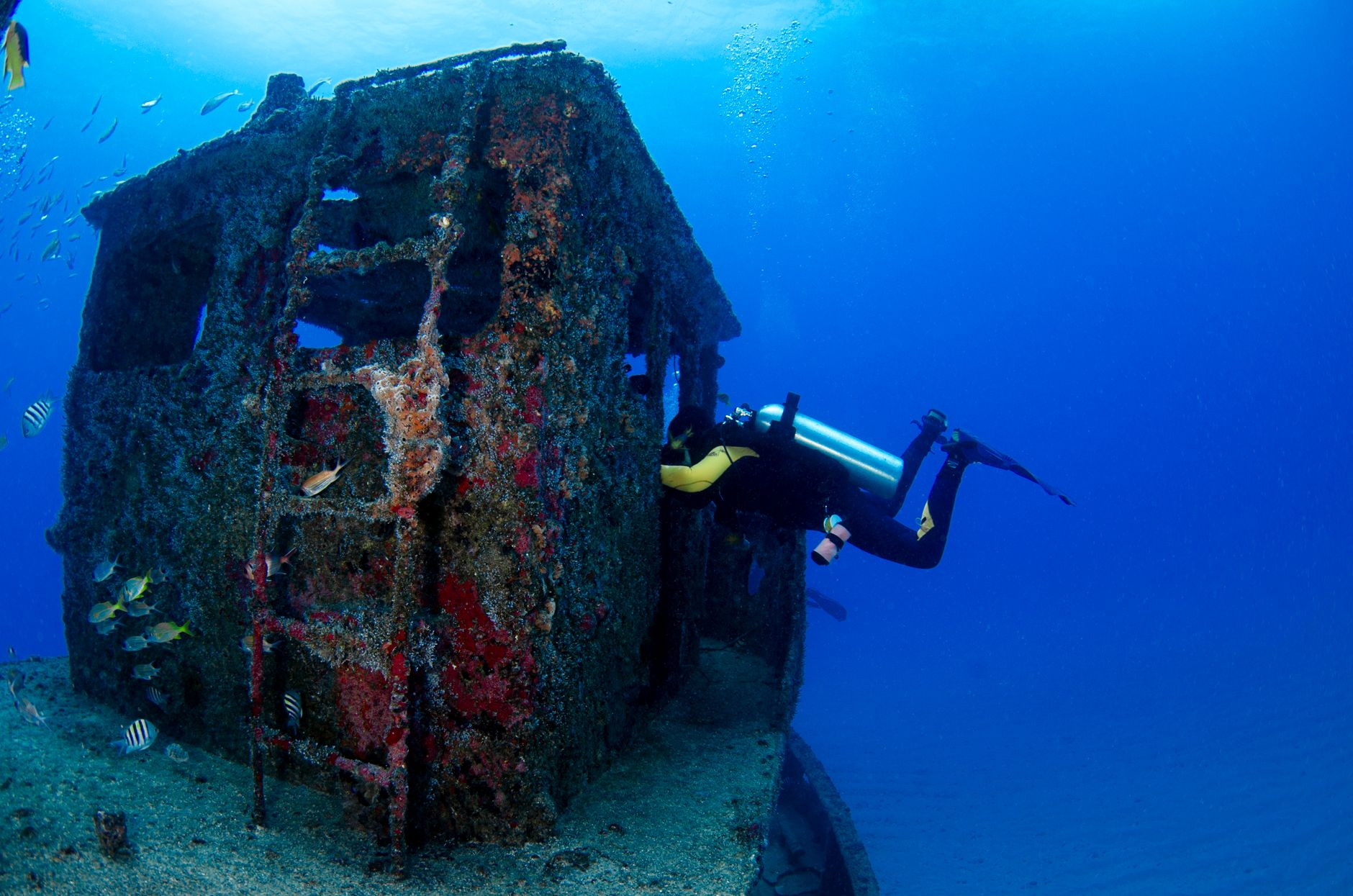
The Tugboat Wreck is another top destination for intermediate and advanced divers. This sunken cargo vessel rests at approximately 40 meters depth. The wreck is home to schools of jacks and barracudas. Experienced divers appreciate the structure and marine life colonizing the ship's hull.
Bottle Reef sits near Bequia Island and features stunning coral formations. Divers explore coral pinnacles rising from the sandy bottom. The reef attracts reef fish, lobsters, and occasionally eagle rays. Visibility at Bottle Reef typically reaches 20 to 30 meters on good days.
The Point offers a sloping reef that works well for all skill levels. This site features a sandy bottom at shallow depths that transitions to deeper coral formations. Divers often see angelfish, butterflyfish, and chromis schools here. Strong currents sometimes flow through The Point, making it better for intermediate divers.
Anchor Reef provides excellent coral coverage and diverse marine species. The site features soft corals, sea fans, and hard coral formations. Turtles frequently visit this reef to feed on seagrass. Visibility ranges from 15 to 25 meters depending on conditions.
PRO TIP: Book your dives early in the morning when visibility is best and marine life is most active. Morning dives also mean fewer divers at popular sites.
Scuba Diving for Beginners in Saint Vincent
Beginners find excellent training opportunities in Saint Vincent's calm, warm waters. The island's sheltered bays provide ideal conditions for learning basic diving skills. Most dive operators offer certification courses following international standards like PADI or SSI.
The best beginner sites include shallow reefs in protected areas. Villa Beach near the capital Kingstown offers protected water perfect for confined water training. Divers practice skills in depths between 5 and 12 meters. Local schools guide beginners through essential techniques before exploring deeper sites.
Beginners should expect to pay for certification courses, which typically require three to four days. Instructors teach you how to breathe underwater, control buoyancy, and clear your mask. You will complete pool or confined water sessions before advancing to open water dives.
The warm water temperature around 27°C means you need minimal exposure protection. A lightweight wetsuit or rash guard provides sun protection rather than warmth. This makes beginner training more comfortable and allows you to focus on learning.
Many operators provide all necessary equipment for beginners, including tanks, regulators, and BCDs. You should bring a swimming background but do not need prior diving experience. Beginner divers typically dive to depths of 12 to 18 meters during their first few experiences.
Saint Vincent's calm conditions during peak season make it ideal for certification training. December through May offers the best conditions with minimal rain and calm seas. Plan your certification course during these months for optimal learning conditions.
Snorkeling in Saint Vincent
Snorkeling provides an excellent way to experience Saint Vincent's underwater beauty without diving certification. The island's clear waters and abundant marine life make snorkeling highly rewarding. Many dive operators include snorkeling trips alongside scuba excursions.
Young Island Reef offers outstanding snorkeling in shallow water. You can see colorful fish, sea stars, and coral formations from the surface. The reef starts in just 3 meters of water, perfect for young children and non-swimmers. Most snorkelers spend 30 to 60 minutes exploring this site.
Bequia Island's snorkeling sites attract families looking for easy access to marine life. Princess Margaret Beach provides calm waters and shallow reefs nearby. Local beach vendors often rent snorkeling equipment at reasonable daily rates. Swimming directly from the beach gives you immediate access to reef areas.
The Lagoon at Petit Byahaut offers protected snorkeling among mangroves and sandy areas. This site suits young children and nervous swimmers. Fish schools are less dense than at outer reefs but the experience feels safer for beginners.
Most snorkeling trips depart from Kingstown or nearby beach towns. Operators provide transportation via speedboat to prime snorkeling locations. Tours typically last three to four hours including travel time. Bring reef-safe sunscreen to protect marine ecosystems. Never touch corals or stand on the reef bottom.
PRO TIP: Rent or bring polarized sunglasses to reduce water glare while snorkeling. This helps you spot fish and coral details that sunlight often obscures.
Dive Schools and Operators

Saint Vincent hosts several professional dive operators offering courses and guided dives. These businesses employ certified instructors and maintain modern equipment. Most operators have been in business for many years and hold excellent safety records.
Operators provide different services depending on your needs. Some specialize in training and certification while others focus on guided recreational dives. Many offer both services at the same facility. Check operator websites for specific course schedules and pricing before you arrive.
Instructors typically speak English fluently and can communicate effectively with international students. Small class sizes mean personalized attention during training. Most operators limit certification classes to four students per instructor. This ensures you receive quality instruction and safety monitoring.
Equipment rental is included with most guided dives and courses. Operators maintain tanks, regulators, BCDs, and wetsuits in good working condition. They regularly service and inspect all gear following manufacturer specifications. You can bring your own equipment if you prefer.
Dive operators offer various schedule options including morning dives, afternoon dives, and full day excursions. Some organize night dives for experienced divers interested in nocturnal marine behavior. Multi-day liveaboard trips depart regularly to explore nearby Grenadine islands. Book dives in advance during peak season to guarantee spots.
Transportation typically includes boat pickup from your hotel or the main dock area. Operators provide briefings before each dive covering site conditions, marine life, and safety procedures. Dive masters accompany all groups and ensure everyone stays together underwater.
What You Will See Underwater
Saint Vincent's underwater ecosystems support exceptional biodiversity across multiple habitat types. Coral reefs attract hundreds of fish species in dazzling colors. You will encounter parrotfish grazing on algae, their powerful teeth audibly crunching coral. Butterflyfish swim in tight pairs while angelfish explore reef crevices hunting for food.
Reef sharks patrol deeper areas and larger sites, though attacks are virtually nonexistent. You might see nurse sharks resting on the sandy bottom during daytime dives. Caribbean reef sharks occasionally pass through deeper sites. Sharks fear humans and typically swim away when approached.
Sea turtles visit Saint Vincent's reefs regularly to feed on seagrass and sponges. Green turtles and hawksbill turtles both inhabit local waters. Observing turtles in their natural environment is one of the most memorable diving experiences. Never chase turtles or attempt to touch them as this causes stress.
Octopuses camouflage themselves against rocks and coral, changing color instantly. Patient divers spot them hiding in crevices during daytime dives. Octopuses are intelligent creatures that often observe divers with curiosity. Night dives offer excellent opportunities to see octopuses hunting for crabs.
Sea fans and soft corals sway with currents in deeper areas. Brain corals form massive structures that have grown for hundreds of years. Hard corals display vibrant colors from yellow to electric blue. Coral health indicates overall reef condition and marine ecosystem strength.
Lobsters hide in rocky crevices during daytime hours. They emerge to hunt at night when darkness provides cover. Divers spot their long antennae protruding from reef gaps. These creatures are protected in many areas, so observe them without touching.
Moray eels inhabit reef crevices and may display their open mouths as a defense. Despite their fearsome appearance, eels rarely bite unless provoked. They play an important role in controlling smaller reef fish populations. Respecting their space ensures safe encounters.
Best Time To Dive in Saint Vincent
The dry season from December through May provides the best diving conditions. During these months, calm seas and excellent visibility create ideal underwater experiences. Water temperature stays warm around 27°C year-round, but January through March offers the driest conditions.
December marks the beginning of peak season with fewer rain showers and light winds. January and February are the driest months overall. March and April offer warm water and declining rainfall. May still provides good conditions before the rainy season begins.
Visibility ranges from 15 to 40 meters during peak season depending on specific sites. Calm seas mean easier boat access to outer reefs and wreck sites. Less rainfall means less freshwater runoff that can reduce visibility near shore.
June through November is the rainy season when conditions deteriorate slightly. Heavy afternoon showers increase freshwater runoff that clouds visibility. Stronger wind patterns can make diving rougher. Some operators reduce schedules during these months.
Hurricane season runs from June through November with peak activity in September. While direct hits are rare, storm systems can force temporary dive cancellations. Travel insurance covering weather-related disruptions is wise during shoulder months.
Arrive during December through May for guaranteed excellent diving. January and February offer the most consistent conditions. If you must dive during rainy season, focus on deeper sites less affected by surface runoff.
PRO TIP: Pack a light rain jacket even during dry season as brief showers occur throughout the year. Bring reef-safe sunscreen with zinc oxide rather than chemical blockers that damage corals.
Snorkeling in Saint Vincent
Snorkeling remains the most accessible way to experience Saint Vincent's marine environment. You need no certification, special training, or expensive equipment. Basic snorkeling gear costs just a mask, fins, and snorkel from any beach vendor.
Most hotels and resorts offer snorkeling equipment rental or loan options. Day rates for rentals typically run from a few dollars to moderate amounts depending on quality. Many visitors find it cheaper to bring their own equipment from home.
Guided snorkeling tours depart from Kingstown and coastal villages throughout the island. Tours include transportation to prime snorkeling sites and safety briefings. Group sizes typically range from 4 to 12 people. Duration usually spans three to four hours including boat travel.
The best snorkeling occurs at the same sites popular with divers. Young Island Reef provides spectacular snorkeling in water depths under 5 meters. Coral formations and fish schools are clearly visible from the surface without descending.
Bequia Island's surrounding waters offer excellent snorkeling with easier access than Saint Vincent mainland. Take a ferry to Bequia Island for a full day of snorkeling adventure. Multiple beaches on Bequia have nearby reefs suitable for snorkeling.
Safety considerations apply to snorkeling just as they do diving. Never snorkel alone or outside designated areas. Always wear a brightly colored snorkel vest so boat drivers can see you. Never touch corals as they are fragile living organisms.
Frequently Asked Questions

Do I Need Diving Certification To Scuba Dive in Saint Vincent?
Yes, all divers must hold a valid diving certification from an international training organization like PADI, SSI, or NAUI. If you lack certification, you can obtain it in Saint Vincent through courses offered by local dive operators. Certification training typically requires three to four days and costs vary by operator. Once certified, your card remains valid for life, allowing you to dive at destinations worldwide. Many beginners obtain their certification in Saint Vincent during their vacation.
What Is the Water Temperature in Saint Vincent?
The average water temperature stays around 27°C (81°F) year-round, making Saint Vincent ideal for diving with minimal exposure protection. You typically wear a lightweight wetsuit or rash guard for sun protection rather than thermal warmth. The warm water is one of Saint Vincent's major advantages for comfortable diving. Even thin wetsuits keep you protected from sun exposure and minor scrapes on the reef. Bring a 3mm wetsuit if you dive frequently or plan extended dive days.
When Is the Best Time To Visit Saint Vincent for Diving?
The dry season from December through May offers the best conditions with calm seas and excellent visibility. January through March are the driest months with the most consistent conditions. December is excellent with fewer tourists than January and February. March, April, and May still offer great diving as water remains warm. June through November is the rainy season with heavier showers and rougher seas, though diving is still possible. Plan your trip during peak season for guaranteed ideal conditions.
Are There Dangerous Marine Animals in Saint Vincent Waters?
Saint Vincent waters host sharks, but they avoid humans and attacks are virtually nonexistent. Moray eels inhabit reefs but only bite if provoked or threatened. Sea urchins have spines that cause pain if stepped on, so wear reef shoes. Stonefish blend into rocks and can cause serious injury if stepped on. Fire corals cause skin irritation through contact. Respecting all marine life and maintaining distance ensures safe encounters. Wearing protective gear like reef shoes eliminates most injury risks.
Can Families With Young Children Participate in Diving or Snorkeling?
Children under 10 years old cannot scuba dive due to developmental factors and safety concerns. However, children of any age can snorkel with proper supervision and equipment. Many families enjoy guided snorkeling tours from Saint Vincent's beaches. Kids as young as 4 or 5 years old can successfully snorkel in calm, shallow water. Diving is possible for children 10 and older through junior certification programs with special depth restrictions. Consult dive operators about specific age requirements and youth program options.