
Last updated:
Saint Vincent Food &Amp; Dining: a Culinary Journey
Saint Vincent offers some of the Caribbean's most authentic food dining experiences. The island sits in the Lesser Antilles, just south of Saint Lucia. Locals speak English and Vincentian Creole fluently. The 37,000 residents celebrate their heritage through incredible food traditions.
Visitors arrive through Argyle International Airport. Most travelers need no visa for short stays. The best time to visit is December through May. Temperatures hover around 27.4°C year-round.
Saint Vincent food dining reflects African, Indian, and European influences. Island farms produce fresh produce daily. Fishermen bring seafood to markets every morning. Local chefs transform simple ingredients into memorable meals. This guide covers everything you need to know about eating on the island.
Local Food in Saint Vincent You Must Try

Breadfruit appears in nearly every local kitchen. Cooks roast, boil, or fry this starchy fruit. It tastes similar to potatoes with a slightly nutty flavor. Many families eat breadfruit for breakfast or dinner.
Callaloo is a leafy green vegetable soup. Cooks combine callaloo leaves with coconut milk and spices. Some versions include okra and meat. Locals consider callaloo a national treasure.
Ackee and saltfish represents breakfast tradition. Ackee is a red fruit with creamy yellow flesh. Cooks salt and dry fish for weeks before cooking. The combination creates a hearty morning meal.
Cou-cou combines cornmeal and okra. Cooks steam this dish in banana leaves. It pairs perfectly with fish or stews. Children grow up eating cou-cou at family meals.
Fish cakes dominate the street food scene. Vendors fry cornmeal batter filled with shredded fish. People eat them with hot sauce for lunch. Fish cakes cost very little and taste amazing.
Manicou (armadillo) appears in traditional stews. Hunters catch manicou in the island's interior forests. The meat is tender and flavorful. This dish represents old island cooking methods.
Provision refers to root vegetables like yams and dasheen. Cooks boil provision with fish or meat. It's a comfort food eaten throughout the week. Markets sell fresh provision daily.
Rotating nip is a coconut and sugar candy. Vendors make it in small batches by hand. Children love the sweet, chewy texture. You'll find rotating nip at every local market.
PRO TIP: Visit markets early in the morning for the freshest produce and fish. Kingstown's central market opens at 5 AM. Bring reusable bags and small bills for easy shopping.
Best Restaurants in Saint Vincent
Basil's Bar & Restaurant sits on the waterfront in Kingstown. The restaurant specializes in fresh seafood and local dishes. Their grilled fish is outstanding. Basil's has been serving visitors since the 1990s. The atmosphere feels relaxed and welcoming.
Lime Restaurant & Bar offers modern Caribbean cuisine. The chef uses island ingredients in creative ways. Their plantain-crusted fish wins regular praise. Lime attracts both locals and tourists. The rooftop views are spectacular at sunset.
The Sunset Grill specializes in grilled meats and seafood. Located near Young Island, this restaurant features fresh catch daily. Their lobster dishes are exceptional. The intimate setting works perfectly for couples.
Cobblestone Cafe serves breakfast and lunch in historic Kingstown. This small restaurant occupies a colonial building. Their fresh juices and local pastries draw morning crowds. Friendly staff make everyone feel at home.
De Reef Restaurant sits directly on the beach. You can watch fishermen work while eating. Their conch salad is exceptional. Lunch here costs very little. The fresh breeze makes dining memorable.
Oasis Restaurant combines Caribbean and international flavors. The chef trained in multiple countries. Their menu changes seasonally based on available produce. Oasis welcomes both casual and formal dining.
Sugar Reef Cafe offers casual beachside eating. The fish and chips are crispy and delicious. Prices stay affordable even during peak season. Families love the relaxed environment.
PRO TIP: Most restaurants close between 2 PM and 5 PM for siesta. Plan lunch before 2 PM or dinner after 7 PM. Always call ahead during off-season to confirm hours.
Fine Dining in Saint Vincent

Sunset Shores Beach Hotel Restaurant offers elegant dining with ocean views. The chef creates dishes using island and imported ingredients. Their wine selection includes bottles from around the world. The ambiance feels sophisticated but not stuffy.
Sugar Reef Boutique Hotel Restaurant features upscale Caribbean cuisine. Fresh seafood arrives daily from local fishermen. The chef prepares traditional dishes with modern techniques. Reservations are essential during high season.
Beachcombers Hotel Restaurant overlooks Young Island. The setting combines natural beauty with excellent service. Their seafood platters are generous and beautifully presented. The sunset views enhance any special meal.
Fine dining on Saint Vincent celebrates local ingredients. Chefs source fish from nearby waters. Farmers deliver fresh vegetables to restaurant kitchens daily. Most upscale restaurants seat fewer than 50 people. This creates an intimate, personal dining experience.
Dress codes tend to be casual even at fine dining spots. Saint Vincent's warm climate means lightweight clothing works well. Men might wear button-up shirts without jackets. Women often wear sundresses or casual elegant outfits. Asking your hotel concierge about specific dress codes is smart.
Most fine dining restaurants require advance reservations. Book at least one day ahead during the season. Larger parties should book several days early. Restaurant staff can recommend wine pairings with meals. Tipping 15% to 20% is customary when service impresses you.
Budget Eating in Saint Vincent
Saint Vincent offers incredible food values for budget travelers. Local meals cost a fraction of North American prices. You can eat well for very little money. Shopping at markets helps stretch your food budget further.
Local Eateries serve authentic food at low prices. Small restaurants near Kingstown serve locals daily. A plate of fish with provision costs just a few dollars. These spots close early, usually by 6 PM. Ask locals where they eat for the best recommendations.
Roti Shops offer quick, filling meals. Roti is a flatbread filled with curried meat or vegetables. One roti satisfies hunger completely. These shops are found throughout towns and villages. They open for lunch and stay open through early evening.
Doubles are fried bread sandwiches filled with curried chickpeas. Street vendors sell doubles in morning markets. They cost very little and taste delicious. This is authentic street food as locals eat it.
Juice Bars serve fresh fruit drinks daily. Soursop, mango, and passion fruit juices are popular. Vendors use fresh fruit, not powders or concentrates. A large juice costs just a dollar or two. These stands appear in every market.
Cooking Your Own Food saves money further. Many accommodations provide kitchen facilities. Shop at local markets for ingredients. Cooking local food yourself teaches you preparation methods. You'll eat like locals while saving money.
Lunch Specials appear at many restaurants noon to 2 PM. Specials offer traditional meals at reduced prices. You get large portions for less money. Planning your day around lunch specials stretches budgets significantly.
Street Food and Local Markets
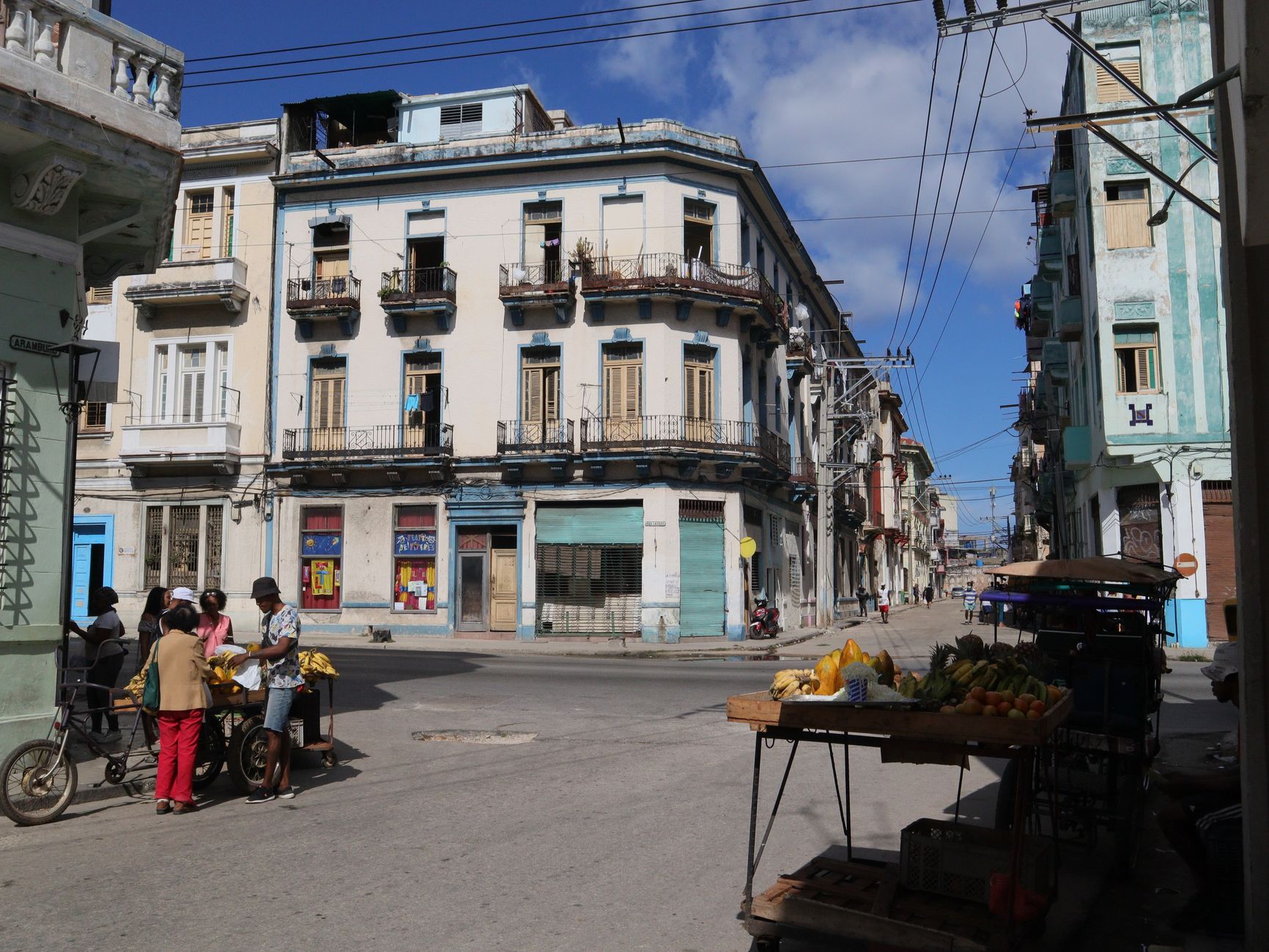
Kingstown Central Market represents the island's food heart. This market opens early, around 5 AM. Fishermen bring catch daily. Farmers display produce from across the island. The energy and color cannot be described adequately. Prices are lower than restaurants or shops.
Market vendors know their products well. Ask them for cooking tips and recipes. Most enjoy sharing knowledge with interested visitors. Always negotiate prices politely for large purchases. Markets accept East Caribbean dollars only.
Street Food Favorites
- Fish Cakes: Fried cornmeal wrapped around salted fish. Vendors serve them with hot sauce daily.
- Corn Cakes: Sweet cornmeal cakes fried until golden. Kids and adults love these treats.
- Cassava Bread: Thin, crispy bread made from cassava root. It's sold at markets and by street vendors.
- Tamarind Balls: Sour candy balls made from tamarind paste. Kids especially enjoy the tangy flavor.
- Coconut Water: Fresh coconut water served in the shell. Vendors hack the top off and give you a straw.
- Boiled Corn: Sweet corn boiled with coconut milk. Vendors sell it hot from street carts.
Market Safety and Etiquette
Markets are safe for tourists during daytime. Visit between 5 AM and noon for the best selection. Bring a small bag or backpack for purchases. Keep valuables secure and don't carry excessive cash. Wear comfortable shoes for walking on market floors.
Ask permission before photographing vendors or stalls. Some vendors appreciate tips for great service. Respect personal space while browsing. Don't touch produce unless the vendor invites you to. Payment in East Caribbean dollars is expected.
PRO TIP: Arrive at Kingstown Central Market by 7 AM for the freshest fish and produce. Bring reusable bags and small bills. Learn basic Vincentian Creole phrases to chat with vendors. They'll give you better prices and cooking advice.
Food Allergies and Dietary Needs
Communicating Your Needs
Saint Vincent accommodates most dietary needs, though options are limited outside Kingstown. Always inform restaurant staff about allergies immediately. Speak clearly and specifically about what you cannot eat. Ask about ingredients before ordering. Restaurant chefs take allergies seriously and will help you.
Vegetarian and Vegan Options
Restaurants in Kingstown offer vegetable dishes readily. Ask for meals without meat or fish. Rice and beans, provision, and vegetable stews work well. Most chefs will modify dishes upon request. Markets sell abundant fresh produce. Cooking your own food gives you complete control.
Gluten-Free Eating
Gluten-free options exist but require planning. Many traditional dishes contain wheat flour. Explain your gluten allergy to restaurant staff clearly. They may prepare simple grilled fish or meat with vegetables instead. Bring gluten-free snacks for between-meal hunger. Self-catering works best for strict gluten-free diets.
Seafood Allergies
Saint Vincent's cuisine emphasizes seafood heavily. Inform restaurants immediately about shellfish or fish allergies. Ask about cross-contamination in kitchen preparation. Chicken and meat dishes are available alternatives. Vegetable-based meals work for those avoiding all seafood.
Religious Dietary Requirements
Halal and kosher options are limited on the island. Larger hotels may accommodate these needs with advance notice. Vegetarian meals provide safe alternatives. Contact your accommodation well before arrival if you follow strict dietary laws. Self-catering remains the most reliable option.
Medical Dietary Needs
Low-sodium, diabetic, or low-fat meals require special requests. Upscale restaurants better understand these needs. Always explain your medical situation. Ask restaurants to prepare foods simply without added salt or sugar. Booking at larger hotels increases accommodation likelihood.
Frequently Asked Questions

1. What is the most popular local dish in Saint Vincent?
Ackee and saltfish represents the nation's most beloved traditional dish. Locals eat this for breakfast regularly. The combination of salted fish and ackee fruit creates a hearty, protein-rich meal. You'll find ackee and saltfish at markets, restaurants, and street food stalls throughout the island. Many visitors consider trying this dish essential to understanding Saint Vincent's food culture.
2. Are restaurants expensive in Saint Vincent?
Prices vary widely depending on restaurant type and location. Local eateries serve meals for just a few dollars. Fine dining restaurants cost significantly more. Budget travelers can eat very well for under $15 per day. Mid-range restaurants charge $10 to $25 per meal. Shopping at markets and cooking your own food saves the most money.
3. What should I bring for dining in Saint Vincent?
Bring comfortable walking shoes for market exploration. Small bills and coins help with street vendor purchases. Sunscreen protects you during outdoor dining. A reusable water bottle keeps you hydrated. Lightweight, casual clothing suits the warm climate. Cash is more useful than credit cards outside Kingstown. Appetite and open-mindedness complete your dining toolkit.
4. When do restaurants open and close in Saint Vincent?
Restaurant hours vary significantly by location and type. Most breakfast spots open around 7 AM. Lunch service typically runs 11 AM to 2 PM. Many restaurants close during afternoon siesta hours. Dinner service usually begins around 6 PM or 7 PM. Some smaller establishments close by 9 PM. Always call ahead, especially during off-season months, to confirm hours.
5. Is tap water safe to drink with food?
Tap water in Kingstown is generally safe for brushing teeth and washing food. Most visitors drink bottled water to be cautious. Restaurants serve purified water. Ice in drinks is made from purified water at reputable establishments. Ask if you're uncertain about water source. Bottled water is widely available and inexpensive throughout the island. Most hotels provide complimentary bottled water to guests.